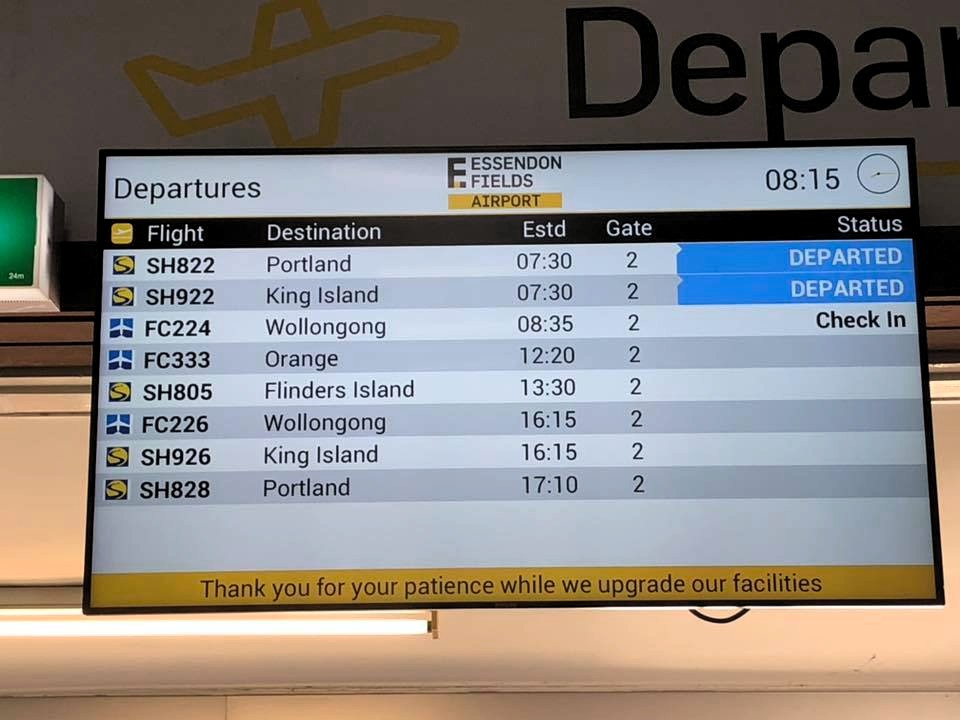
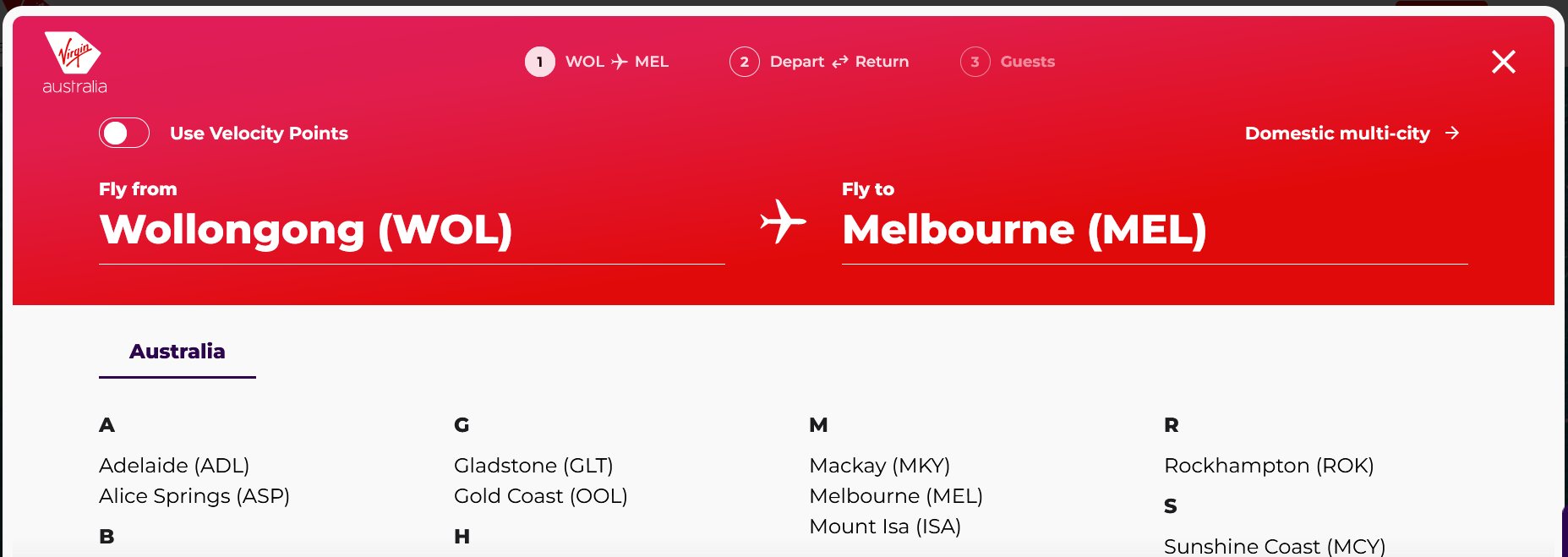
Depending on who you ask, it's Shellharbour Airport. Or Wollongong Airport. Or Illawarra Regional Airport. Or Albion Park Aerodrome. Or — in the formal records of the Geographic Names Board of NSW — still Albion Park Aerodrome. The ICAO code changed to YSHL in 2019. The IATA code remains WOL — and it isn't changing anytime soon, because SHL is already taken by an airport near Shillong, India.
Link Airways lists the destination as Wollongong. Most travel booking sites say Wollongong. Airservices Australia uses Wollongong. When the Illawarra Mercury writes about the airport, it reaches for whatever name fits the sentence. When someone in Melbourne searches for flights to the Illawarra, they type Wollongong.
This isn't a minor inconsistency. It's a real problem.
Airports are gateways. Their names are wayfinding tools. When a passenger in Brisbane searches for flights, they don't think about local government boundaries — they think about where they're going. If the airport's name doesn't match the city they know, they hesitate. Or they assume there's no airport. Or they book a flight to Sydney instead.
Shellharbour Council's decision to rename from Illawarra Regional Airport to Shellharbour Airport in 2019 was understandable from a council's perspective. The airport sits in Shellharbour City's local government area. Council invested heavily in the new terminal and business park. They wanted their city's name on the door. Fair enough.
But there's a tension here that's worth naming honestly.
Shellharbour is a city of about 80,000 people. The Wollongong metropolitan area — the region this airport actually serves — has a population of around 330,000. The broader Illawarra region stretches further still. And Wollongong is the name outsiders know. It's the name on the IATA code. It's the name people search for.
The airport's own IATA code — WOL — makes the case better than anything else. That code is embedded in every airline booking system in the world. It's in every travel itinerary, every flight tracking app, every airport arrivals board. It was assigned for a reason. And it's not changing.