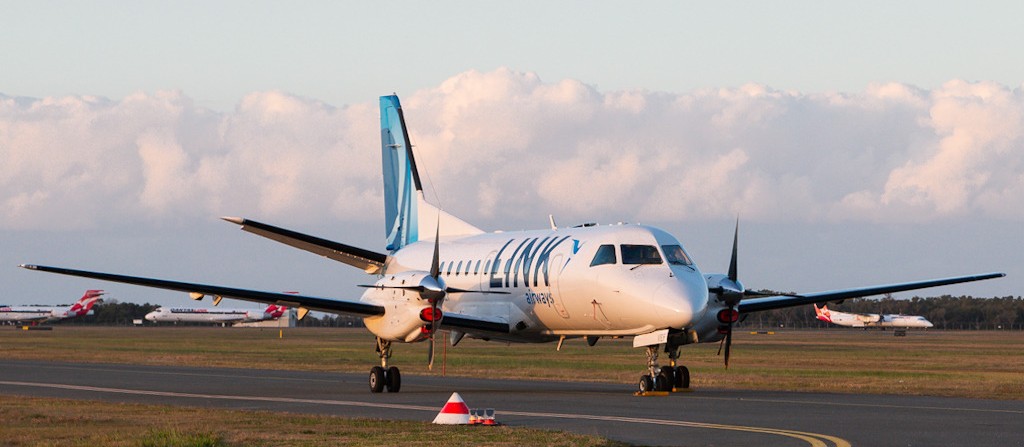
On 20 May 2026, Link Airways operated its last scheduled passenger flight from Wollongong Airport. Both the Melbourne and Brisbane routes went with it. For the first time since November 2018 — and only the second time in nearly two decades — the Illawarra has no direct air connection to the rest of Australia.
We're not going to pretend this isn't a setback. It is. But we are going to put it in context, explain what went wrong, and make the case for why this airport's story is far from over.
The economics of regional aviation finally caught up
Link Airways cited increased fuel costs and reduced demand. Both are real. Fuel prices have been elevated for eighteen months. Post-COVID demand on thin regional routes has been slower to recover than on trunk routes between major cities. And the structural cost problems — rising spare parts prices, increasing engineering costs, airport charges that haven't moved — have been building for years.
We've written about this at length. Qantas told the Productivity Commission in April that it makes just 5% profit on its regional turboprop services — on a good day, with the scale of Australia's largest airline behind it. For a smaller operator like Link, on thinner routes, the margin is razor-thin at best. One bad quarter is enough to make the numbers stop working.
This is not a failure of Link Airways. They flew from Wollongong for seven and a half years — longer than any previous passenger airline in this airport's history. They deserved better support than they got.
If the biggest airline in the country barely breaks even on regional flying, the margin for a smaller operator is paper-thin. One bad quarter is enough.
Same week. Same airline. Different government.
The suspension was announced on 7 May. The following day, Link Airways operated its inaugural flight between Canberra and Launceston — with a water cannon salute on arrival. The new route was secured with the backing of Tasmania's $5 million Aviation Attraction Fund.
The juxtaposition is not a coincidence. It is a policy outcome.
Service suspended
Fuel costs and reduced demand. No state government support mechanism. Seven and a half years of service ends without a fund, a policy, or a plan.
New service launched
$5 million Aviation Attraction Fund. Water cannon salute. Year-round service secured. Government backed it, funded it, got the route.
Tasmania recognised that regional aviation routes don't always sustain themselves through market forces alone. They created a mechanism to bridge the gap. NSW has no equivalent. Same airline. Same aircraft. Same economics. Different government. Different result.
This is the question that needs answering. Wollongong is a region of 300,000 people — one hour from Sydney. It has sustained scheduled passenger aviation, in one form or another, for the better part of two decades. Why does a community of that size have to watch its air service disappear while other states invest in theirs?
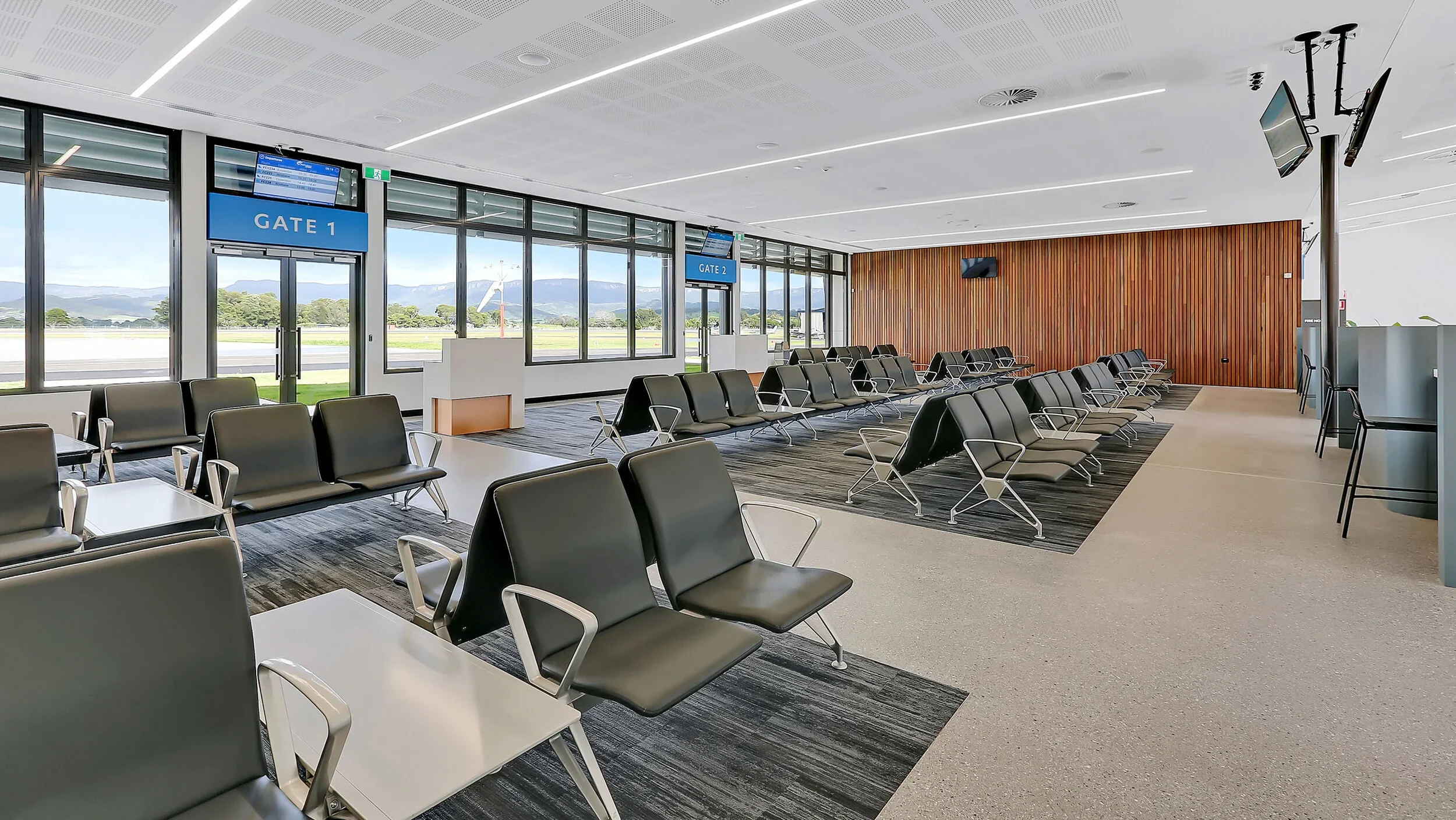
The airport is not closing. And there's reason for cautious optimism.
Wollongong Airport remains open. HARS Aviation Museum, flight training, scenic flights, skydiving and the full aviation precinct continue to operate. The runway is there. The terminal is there. The infrastructure is there. What's missing is the service — and services come back.
Link Airways has said it will monitor the market closely and look to return when demand recovers. We take that at face value. But the more significant development is elsewhere.
Rex Airlines — a well-funded operator focused on exactly this kind of route
Rex Airlines, now owned by American operator Air T, has received $110 million in new funding — including a $60 million Commonwealth loan — and has committed to expanding its SAAB 340 regional network. Air T's mandate is clear: stay regional, restore routes, fly turboprops. Wollongong is precisely the kind of community Rex should be looking at. That is not an announcement. But it is the most credible reason for optimism about the return of scheduled services to WOL.
The other piece is government. The Productivity Commission inquiry into regional airfares is still under way. The RAAA's proposal for a Regional Aviation Investment Fund — modelled on exactly the mechanism Tasmania already has — is on the table. The evidence is clear. The political will is the missing ingredient.
Every Illawarra resident who contacts their state and federal MP about this issue makes it harder for government to ignore. We've been flying from this airport, in one form or another, since 1943. We're not done yet.
What you can do right now
- Write to your state MP and federal MP — tell them the Illawarra needs an aviation attraction fund equivalent to Tasmania's. Find your representatives at aec.gov.au
- Submit to the Productivity Commission inquiry into regional airfares — submissions are open at pc.gov.au
- Share this article on Facebook — the more noise the Illawarra makes, the harder it is for government to look away
- Keep following this page — we'll publish updates as the situation develops